Introduction
In today’s global economy, labor shortages have become a pressing challenge across industries. From manufacturing to logistics, companies are struggling to fill critical roles while balancing rising costs and production demands. Factors such as an aging workforce, shifting demographics, and the demand for higher productivity have forced businesses to rethink traditional approaches.
This is where the question arises: what is industrial automation, and how can it help solve labor shortages? Industrial automation refers to the use of technology—such as robotics, control systems, and software—to manage and optimize manufacturing processes with minimal human intervention. Beyond improving efficiency, automation provides a sustainable solution to workforce gaps while enabling companies to remain competitive in fast-moving markets.
What Is Industrial Automation?
At its core, industrial automation involves replacing repetitive and labor-intensive tasks with machines and intelligent systems. These technologies integrate mechanical equipment, electronic sensors, and software platforms to deliver greater precision, consistency, and speed.
Key elements of industrial automation include:
- Programmable Logic Controllers (PLCs): Used to control processes, machines, and assembly lines.
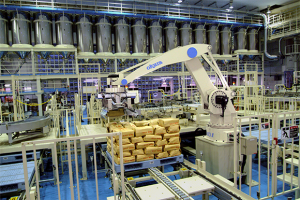
- Robotic Systems: Perform repetitive or hazardous tasks such as welding, palletizing, and packaging.
- Supervisory Control and Data Acquisition (SCADA): Enables real-time monitoring and data-driven decision-making.
- Artificial Intelligence (AI) & Machine Learning: Predict maintenance needs, optimize workflows, and improve efficiency.
By integrating these systems, industries create smart factories capable of high-volume production while reducing dependency on manual labor.
The Growing Labor Shortage Problem
Labor shortages are no longer a temporary challenge but a structural issue impacting industries worldwide. Some of the key drivers include:
- Aging Workforce
- In developed countries, a significant portion of the workforce is approaching retirement age.
- Manufacturing and logistics sectors are particularly affected, as younger generations often prefer careers in technology or services.
- In developed countries, a significant portion of the workforce is approaching retirement age.
- High Employee Turnover
- Jobs that are physically demanding or repetitive see high attrition rates.
- Retaining skilled workers has become increasingly difficult.
- Jobs that are physically demanding or repetitive see high attrition rates.
- Skills Gap
- Modern industries require workers proficient in operating digital tools and automation systems.
- The pace of technological change has outstripped the availability of skilled talent.
- Modern industries require workers proficient in operating digital tools and automation systems.
- Global Supply Chain Pressures
- Rising demand for goods, e-commerce growth, and rapid delivery expectations intensify the strain on labor resources.
- Rising demand for goods, e-commerce growth, and rapid delivery expectations intensify the strain on labor resources.
These challenges collectively highlight the need for sustainable, technology-driven solutions.

How Industrial Automation Addresses Labor Shortages
Industrial automation provides industries with the ability to meet growing demand without being constrained by workforce limitations. Here’s how:
- Reducing Dependence on Manual Labor
- Automated systems handle repetitive, hazardous, or precision-heavy tasks that are difficult to staff consistently.
- Robots can operate around the clock, improving productivity without fatigue.
- Automated systems handle repetitive, hazardous, or precision-heavy tasks that are difficult to staff consistently.
- Improving Efficiency and Productivity
- Automation increases throughput by streamlining operations.
- Processes such as assembly, inspection, and packaging can be completed at higher speeds with consistent quality.
- Automation increases throughput by streamlining operations.
- Upskilling the Workforce
- Rather than eliminating jobs, automation transforms them. Workers shift from manual roles to supervisory, technical, and analytical positions.
- Training programs can bridge the skills gap and prepare employees for roles in maintenance, programming, and system integration.
- Rather than eliminating jobs, automation transforms them. Workers shift from manual roles to supervisory, technical, and analytical positions.
- Enhancing Workplace Safety
- Dangerous tasks—such as handling heavy loads, working with hazardous chemicals, or operating in extreme environments—are best handled by machines.
- Automation reduces workplace accidents, making industries safer and more attractive to employees.
- Dangerous tasks—such as handling heavy loads, working with hazardous chemicals, or operating in extreme environments—are best handled by machines.
- Flexibility in Operations
- Advanced automation systems adapt to changes in production requirements quickly.
- Companies can scale operations up or down without relying on temporary labor or overtime.
- Advanced automation systems adapt to changes in production requirements quickly.
Real-World Applications
- Warehousing and Logistics
- Automated guided vehicles (AGVs) and robotic picking systems streamline order fulfillment.
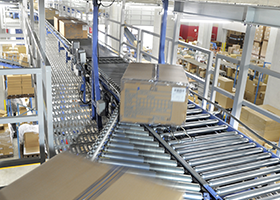
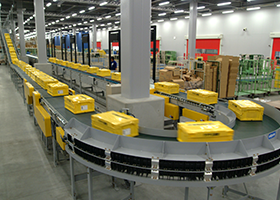
- Conveyor and sorting systems reduce the need for manual handling.
- Automated guided vehicles (AGVs) and robotic picking systems streamline order fulfillment.
- Manufacturing
- Robotic arms handle assembly, welding, and painting with greater efficiency than human operators.
- AI-driven predictive maintenance minimizes downtime, reducing the reliance on large maintenance teams.
- Robotic arms handle assembly, welding, and painting with greater efficiency than human operators.
- Food and Beverage Industry
- Automated processing and packaging ensure compliance with hygiene standards while reducing labor intensity.
- Automated processing and packaging ensure compliance with hygiene standards while reducing labor intensity.
- Pharmaceuticals
- Automation guarantees precise batch tracking, reducing the need for manual documentation and quality checks.
- Automation guarantees precise batch tracking, reducing the need for manual documentation and quality checks.
Challenges of Relying on Automation
While industrial automation offers clear benefits, businesses must address potential hurdles:
- High Capital Costs: Implementing automation systems requires significant upfront investment.
- Integration Issues: Older facilities may struggle to integrate new technologies seamlessly.
- Workforce Resistance: Employees may fear job loss, requiring companies to focus on change management and reskilling initiatives.
- Cybersecurity Risks: As factories become more connected, securing digital infrastructure is critical.
The Future of Work in Industrial Automation
Rather than replacing human workers, automation will redefine their roles. Future industrial operations will emphasize collaboration between humans and machines. Workers will increasingly focus on programming, monitoring, and optimizing systems, while robots and AI handle repetitive or hazardous functions.
Governments and organizations are also likely to expand investments in training programs to ensure the workforce can thrive in automation-driven industries. This shift toward human-machine collaboration will not only address labor shortages but also fuel long-term innovation and growth.
Conclusion
So, what is industrial automation’s role in solving modern labor shortages? It is the key to ensuring industries remain resilient, efficient, and competitive despite shrinking workforces. By reducing reliance on manual labor, improving efficiency, and upskilling employees, automation bridges the gap between labor demand and supply.
At Okura Singapore, we specialize in delivering advanced automation solutions that help industries overcome workforce challenges while ensuring scalability and long-term success. Whether you are in manufacturing, logistics, or pharmaceuticals, our expertise in automation ensures your operations remain efficient.