Introduction
In today’s fast-paced logistics and e-commerce landscape, the ability to accurately and efficiently sort packages is a mission-critical function. With rising parcel volumes and customer expectations for next-day or even same-day delivery, sorting machines have become the backbone of warehousing and distribution operations. Designing a reliable sorting machine is no longer just about speed—it’s about precision, adaptability, and system integration.
This article explores the key components and design considerations for building a dependable sorting machine for package and parcel handling, particularly in industries like courier services, e-commerce fulfillment, postal systems, and third-party logistics.
What Is a Sorting Machine?
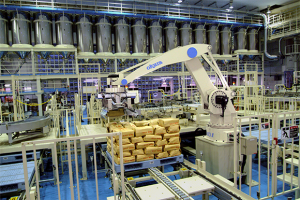
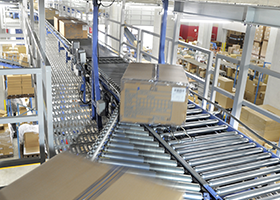
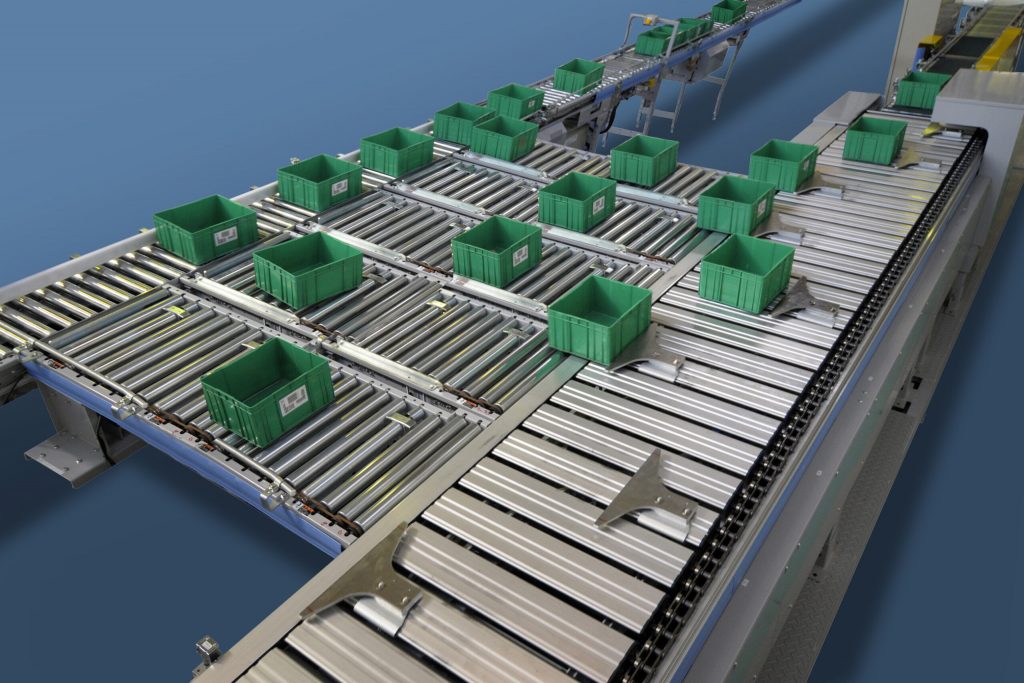
A sorting machine is an automated system designed to identify, categorize, and route packages or parcels to their correct destinations. It typically involves a combination of conveyor belts, sensors, scanning technologies, diverters, and control systems.
These machines are tailored to handle various package sizes, weights, and materials, often operating around the clock to meet throughput demands. A well-designed sorting machine increases accuracy, reduces manual labor, and minimizes delivery errors.

Core Components of a Sorting Machine
- Infeed Conveyor
This is the entry point where packages are introduced to the sorting system. Infeed conveyors often include singulators that orient and space out parcels for scanning and identification. - Scanning and Identification System
Using barcode scanners, RFID readers, and OCR (Optical Character Recognition), the system captures critical data about each parcel, such as destination, weight, and dimensions. - Central Control Software
This is the “brain” of the sorting machine. It processes data collected from scanners and sensors to determine routing decisions. Advanced systems may integrate AI for optimization or predictive analytics. - Sorting Mechanism
The actual sorting happens via mechanical or pneumatic diverters, sliding arms, pop-up wheels, or pushers that guide parcels onto designated lanes or bins. - Outfeed Lanes or Chutes
These are the final points in the sorting system, typically configured to correspond to delivery zones, carrier routes, or warehouse departments. - Sensor Arrays and Feedback Loops
Sensors monitor machine health and package flow, ensuring accurate operation and triggering maintenance alerts or system slowdowns when needed.
Design Considerations for a Reliable Sorting Machine
1. Scalability and Modularity
A good sorting system should grow with the business. Modular design allows facilities to add more lanes, diverters, or scanning stations without rebuilding the entire infrastructure.
2. Throughput and Speed
System speed must match or exceed the required parcel volume. High-speed sorting systems can process thousands of parcels per hour. However, speed must not compromise accuracy or safety.
3. Package Variety Handling
Parcels vary in shape, size, weight, and material. The machine must be capable of processing everything from soft poly mailers to heavy, rigid boxes without jamming or misrouting.
4. Software Flexibility
Intelligent software allows operators to easily change sorting rules, view real-time data, and generate reports. It should integrate seamlessly with WMS (Warehouse Management Systems), ERP platforms, and carrier databases.
5. Durability and Maintenance
Using wear-resistant components and implementing predictive maintenance schedules can reduce downtime. Belt alignment systems, motor monitoring, and debris management are essential to long-term reliability.
6. Energy Efficiency
Energy-saving motors and smart sensors help reduce electricity consumption, making the system more sustainable and cost-effective in the long run.

Common Challenges in Sorting System Design
- Label Errors or Poor Read Rates
Low-quality barcodes or obscured labels can slow down sorting or require manual intervention. - System Jams or Overloads
Poorly spaced or overloaded infeed conveyors can cause bottlenecks or mechanical failure. - Integration Complexity
Synchronizing the sorter with upstream and downstream systems requires robust middleware and protocol compatibility. - Footprint Constraints
In dense warehouse environments, space limitations demand creative layout planning or vertical sorting mechanisms.
Industry Applications
- Courier & Express Delivery: National and international carriers rely on high-speed sorters to manage regional and last-mile distribution.
- E-commerce Fulfilment Centres: Sorters are vital in routing items from picking stations to appropriate packaging or dispatch zones.
- Postal Systems: Letter and parcel sorting is highly automated in modern postal hubs.
- Air Cargo and Freight: Time-sensitive parcels are sorted by destination hub or flight schedule.
Conclusion
A reliable sorting machine is a strategic investment for any operation that handles large volumes of parcels. By focusing on scalability, accuracy, and system integration, companies can improve delivery speed, reduce labour costs, and ensure customer satisfaction.
At Okura Singapore, we’re committed to building intelligent, future-ready sorting solutions that adapt to your operational needs. Let us help you streamline your package handling with sorting systems engineered for precision and performance.