Introduction
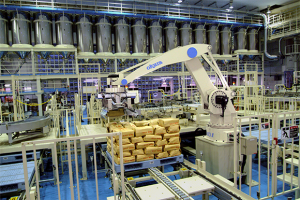
In modern industries, industrial automation and robotics are no longer optional—they are essential. These technologies boost productivity, improve quality, and reduce operational costs. Yet, as factories, warehouses, and logistics hubs become increasingly automated, one area stands out as equally critical: safety.
Automation and robotics do not just transform workflows; they redefine safety protocols. By shifting hazardous tasks from humans to machines, integrating advanced safety systems, and complying with international standards, automation has become a key driver in creating safer workplaces.
This article examines how industrial automation and robotics influence safety protocols, the technologies involved, and the future of safety in automated environments.
How Automation Improves Workplace Safety
Industrial environments are often associated with risks—heavy loads, repetitive motions, sharp tools, and exposure to dangerous chemicals or machinery. Automation addresses these challenges by:
- Removing Humans from Hazardous Tasks
- Robots handle repetitive, high-risk jobs such as welding, heavy lifting, or working in extreme temperatures.
- This reduces the risk of injuries caused by fatigue, strain, or accidents.
- Reducing Human Error
- Automated systems operate consistently, eliminating mistakes caused by distraction, stress, or misjudgment.
- This consistency is especially critical in industries like pharmaceuticals and food, where errors can have serious consequences.
- Enhancing Safety Monitoring
- Sensors, vision systems, and control software continuously monitor processes.
- Any deviations trigger automatic shutdowns or alerts, preventing incidents before they escalate.

The Role of Robotics in Safety Protocols
Robotics plays a central role in shaping safety protocols:
- Collaborative Robots (Cobots):
Equipped with force sensors and safety features, cobots are designed to work safely alongside humans without barriers. - Machine Vision Systems:
Cameras and AI-powered vision detect human presence, ensuring machines stop or slow when workers approach. - Emergency Stops and Guarding Systems:
Robots are built with multiple layers of redundancy, including safety-rated emergency stop buttons, cages, or safety zones. - Automated Guided Vehicles (AGVs):
These robots transport goods while using sensors and navigation systems to avoid collisions.
Safety Standards and Regulations
The integration of industrial automation and robotics must comply with strict international safety standards, such as:
- ISO 10218: Safety requirements for industrial robots.
- ISO/TS 15066: Guidelines for collaborative robots.
- IEC 61508: Functional safety of electronic and programmable systems.
- OSHA Standards: Workplace safety compliance in the U.S., with global parallels.
Adhering to these standards ensures that automation not only improves efficiency but also protects employees.

Benefits of Automation-Driven Safety
Implementing safety-focused automation brings multiple advantages:
- Fewer Workplace Injuries: Machines take on hazardous roles, lowering accident rates.
- Higher Employee Confidence: Workers feel safer in automated environments.
- Regulatory Compliance: Meeting international safety standards reduces legal risks.
- Improved Productivity: Safer workplaces experience fewer disruptions.
The Future of Safety in Industrial Automation and Robotics
As technologies evolve, safety protocols will continue to adapt:
- AI-Powered Predictive Safety: AI will anticipate potential hazards and intervene before incidents occur.
- Wearable Safety Devices: Workers equipped with smart wearables can interact directly with automated systems, triggering alerts when they enter restricted zones.
- Fully Autonomous Factories: Automation will eventually handle most physical risks, with humans in supervisory roles rather than direct production tasks.
- Digital Twins for Safety Simulation: Virtual replicas of production environments will test and validate safety protocols before implementation.
Conclusion
Industrial automation and robotics are not only about efficiency—they are about building safer workplaces. By removing workers from danger, embedding safety into design, and complying with global standards, automation reshapes safety protocols for the better.
At Okura Singapore, we design automation and robotics solutions that prioritise safety without compromising productivity. From cobots and AGVs to advanced control systems, our technologies help industries achieve safer, smarter, and more efficient operations.
Contact us today to learn how our industrial automation and robotics solutions can improve both safety and performance in your business.