Introduction
In a world driven by e-commerce and just-in-time logistics, warehouses face growing pressure to handle larger volumes, tighter schedules, and higher accuracy demands. Manual palletizing—once the standard for stacking and loading products—can no longer keep pace with these requirements. This is where robotic palletizing systems are transforming warehouse operations.
By combining speed, precision, and consistency, robotic palletizers help businesses improve throughput, reduce labour dependency, and ensure safer, more efficient workflows. This article explores how robotic palletizing systems work, their benefits, and how they can help warehouses achieve new levels of performance.
What Are Robotic Palletizing Systems?
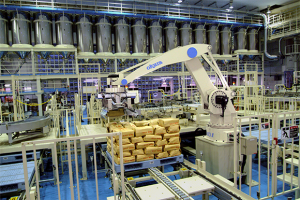
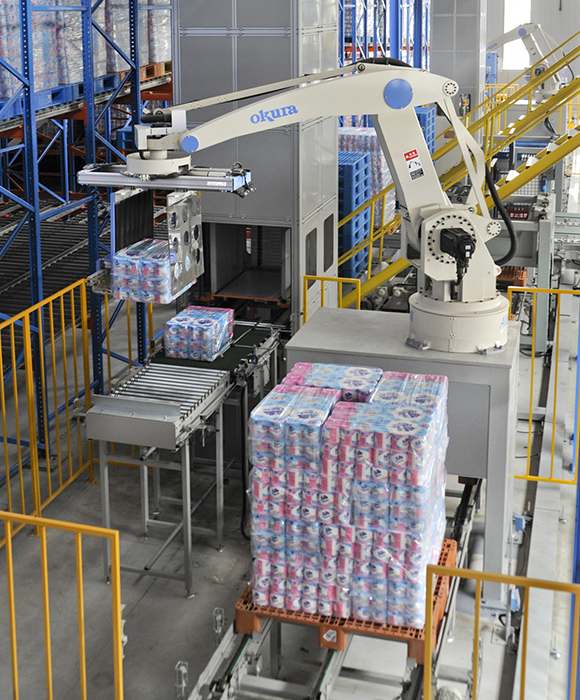
A robotic palletizing system automates the process of stacking goods—such as cartons, crates, or bags—onto pallets for storage or shipment. These systems typically include:
- Robotic Arm: Performs the stacking motion with programmable precision.
- End-of-Arm Tooling (EOAT): Grippers or suction devices designed to handle various product shapes and sizes.
- Vision and Sensing Systems: Identify product orientation and position for accurate placement.
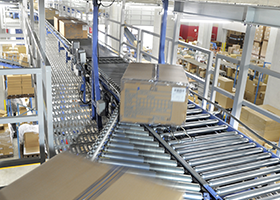
- Conveyor Interface: Feeds items to the robot for continuous operation.
- Control System: Coordinates robotic movements and integrates with warehouse management software.
Unlike traditional palletizers, robotic systems are highly flexible and adaptable to multiple product types, making them ideal for modern, high-mix warehouse environments.
How Robotic Palletizing Improves Throughput
Throughput—the measure of how much material a warehouse can handle within a specific timeframe—is directly influenced by how efficiently products are stacked and prepared for dispatch. Robotic palletizers deliver significant improvements through:
1. Continuous Operation
Robots can work 24/7 without breaks, fatigue, or performance decline. This ensures uninterrupted flow, especially in high-demand logistics centres.
2. High-Speed, Precision Movements
Advanced robotic systems can stack hundreds of boxes per hour while maintaining exact placement accuracy, reducing rework and delays.
3. Seamless Integration with Conveyors and Sorting Lines
By synchronising with upstream conveyor and sorting systems, palletizers eliminate bottlenecks and maintain consistent product flow.
4. Efficient Layering and Pattern Optimization
Programmable software allows the robot to calculate optimal stacking patterns for stability and space utilization—maximising truckload efficiency and minimising material damage.
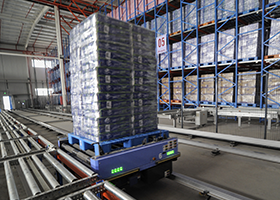
Enhancing Accuracy with Intelligent Automation
In fast-moving logistics environments, even small errors can have significant downstream consequences. Robotic palletizing systems ensure accuracy through intelligent sensing and control technologies:
- Vision Systems: Use cameras and sensors to detect orientation and adjust grip positions automatically.
- Dynamic Adjustment: Robots adapt stacking patterns based on product dimensions or weight variations.
- Barcode and RFID Integration: Ensures the right products are palletized in the correct sequence.
- Error Detection: Automated alerts and stoppages prevent stacking errors or collisions before they occur.
This combination of smart control and mechanical precision ensures each pallet is built correctly, reducing human error and improving overall order accuracy.
Improving Safety and Workforce Productivity
Manual palletizing often involves repetitive lifting and awkward movements, leading to fatigue and potential injuries. By automating these tasks, warehouses can:
- Reduce strain-related injuries among workers.
- Reassign employees to higher-value roles like quality control and system supervision.
- Create a safer, more ergonomic working environment.
This shift not only improves safety but also enhances job satisfaction and workforce efficiency.
Scalability and Flexibility in Modern Warehouses
One of the key advantages of robotic palletizing systems is their adaptability to changing warehouse needs:
- Product Variation: Easily reprogrammed to handle new SKUs or packaging formats.
- System Expansion: Additional robots or grippers can be integrated as volumes grow.
- Compact Design: Space-saving layouts make robotic palletizers suitable even for smaller facilities.
These systems provide flexibility for both large distribution centres and small-scale warehouses, ensuring long-term value as operations evolve.
ROI and Operational Benefits
The business case for robotic palletizing is clear. Typical returns include:
- Labour Cost Reduction: Robots can replace multiple manual palletizing stations.
- Fewer Errors: Improved accuracy leads to fewer damaged goods and shipping mistakes.
- Lower Operational Costs: Consistent output reduces downtime and unplanned overtime.
- Increased Capacity: Palletizers allow warehouses to handle more orders without expanding physical space.
When integrated with existing warehouse management systems (WMS), robotic palletizers also enable data-driven optimization—tracking performance, detecting bottlenecks, and scheduling maintenance automatically.
Industry Applications
Robotic palletizing systems are widely adopted across multiple industries:
- Food & Beverage: For stacking packaged goods with hygiene compliance.
- Consumer Goods: Handling mixed product sizes with flexible end-effectors.
- Pharmaceuticals: Ensuring secure, traceable pallet loads.
- Logistics & E-Commerce: High-volume palletizing for distribution and fulfillment.
Each industry benefits from tailored solutions designed around specific operational goals and regulatory requirements.
Conclusion
As warehouses face growing demand for speed, precision, and efficiency, robotic palletizing systems have become essential for maintaining competitiveness. They improve throughput, ensure consistent stacking accuracy, and provide scalable automation that adapts to future business growth.
At Okura Singapore, we deliver advanced robotic palletizing solutions engineered for performance, reliability, and safety. From system design and integration to after-sale support, our expertise ensures that your warehouse achieves optimal productivity and long-term operational success.