Introduction
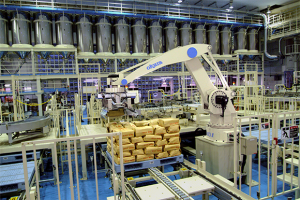
In the age of smart factories and Industry 4.0, the performance of an automation system depends on more than just machines and robots. At the core of every successful industrial setup are industrial automation devices–the sensors, actuators, controllers, and interfaces that make automation possible.
These devices serve as the “nervous system” of industrial automation: sensors detect conditions, controllers make decisions, actuators execute actions, and interfaces connect humans with machines. Without them, advanced robotics, conveyor systems, and process automation would not function.
This article explores the most important categories of industrial automation devices, their roles, and how they enable efficiency, safety, and flexibility across industries.

What Are Industrial Automation Devices?
Industrial automation devices are hardware components that collect data, process information, and perform tasks within automated systems. They are responsible for:
- Gathering real-time information from the production floor.
- Interpreting and controlling machine behavior.
- Executing precise, repeatable actions.
- Ensuring seamless human-machine collaboration.
By combining these devices, industries achieve higher productivity, improved safety, and better quality control.
Key Categories of Industrial Automation Devices
1. Sensors – The “Eyes and Ears” of Automation
Sensors collect data from the physical environment and convert it into usable signals for controllers. Types include:
- Proximity Sensors: Detect the presence of objects without physical contact.
- Temperature Sensors: Ensure processes remain within safe operating ranges.
- Pressure & Flow Sensors: Common in chemical and pharmaceutical plants.
- Vision Systems & Cameras: Enable robotics to identify, sort, and inspect items.
2. Actuators – The “Hands” of Automation
Actuators take signals from controllers and convert them into mechanical movement. Examples:
- Electric Actuators: Used for precision positioning.
- Hydraulic & Pneumatic Actuators: Provide high force for heavy-duty applications.
- Motors & Drives: Enable conveyors, robotic arms, and other equipment to move efficiently.
3. Controllers – The “Brain” of Automation
Controllers execute logic and ensure devices work together seamlessly:
- Programmable Logic Controllers (PLCs): Rugged, reliable controllers for industrial environments.
- Distributed Control Systems (DCS): Manage complex processes across multiple locations.
- Industrial PCs (IPCs): Handle advanced data analytics and connectivity tasks.
4. Human-Machine Interfaces (HMIs) – The “Communication Bridge”
HMIs provide operators with visibility and control:
- Touchscreens with dashboards for monitoring equipment.
- Graphical displays of performance metrics.
- Alerts and notifications for troubleshooting.
Supporting Devices in Automation Systems
Beyond the core devices, other technologies ensure seamless integration:
- Communication Modules: Support protocols like Modbus, Ethernet/IP, and OPC-UA.
- Industrial Robots: Equipped with sensors and actuators for repetitive tasks.
- Safety Devices: Light curtains, emergency stops, and interlock switches protect workers.
- Power Supply Units: Ensure stable operation of sensors and controllers.
Applications Across Industries
- Food & Beverage
- Temperature sensors and hygienic actuators for quality and compliance.
- Vision systems for packaging inspection.
- Automotive
- Robotic welding arms controlled by PLCs.
- Proximity sensors for assembly line positioning.
- Pharmaceuticals
- Precision dosing actuators.
- Data integrity ensured by secure controllers.
- Logistics & Warehousing
- Barcode and RFID sensors for sorting.
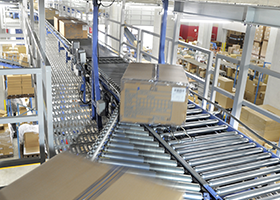
- Automated conveyors powered by variable speed drives.
Future of Industrial Automation Devices
As automation continues to evolve, so do the devices:
- IoT-Enabled Smart Sensors: Provide real-time connectivity and predictive maintenance.
- AI-Powered Controllers: Learn patterns and optimise processes automatically.
- Wireless Actuators: Reduce cabling complexity and improve flexibility.
- Edge Devices: Process data locally for faster decision-making.
By 2025 and beyond, devices will become smarter, smaller, and more interconnected–supporting the shift to fully autonomous factories.
Conclusion
Industrial automation devices are the foundation of every modern automation system. From sensors that detect changes to actuators that execute commands and controllers that orchestrate it all, these devices create the synergy that makes smart factories possible.
At Okura Singapore, we integrate state-of-the-art industrial automation devices into our solutions to ensure reliability, precision, and adaptability for every industry. Whether it’s food processing, automotive manufacturing, or logistics, our systems are powered by devices built for the future.
Contact us today to learn how our automation expertise and device integration can transform your operations.