Introduction
Behind every efficient conveyor system lies the science of conveyor belt construction. A well-constructed conveyor belt not only determines how effectively materials are transported but also impacts durability, maintenance costs, safety, and energy efficiency.
In industries ranging from food and beverage to mining and logistics, conveyor belts are designed and built with specific materials and structures to suit operational needs. This article explores what goes into conveyor belt construction, the factors that influence material choices, and how innovations are reshaping belt technology in 2025.
Why Conveyor Belt Construction Matters
A conveyor belt is more than a strip of moving material—it’s the heart of a system that must withstand constant wear, heavy loads, and varying environments. Poorly constructed belts can lead to:
- Frequent downtime due to wear or tearing.
- Reduced efficiency and higher energy consumption.
- Safety hazards for workers.
By understanding the elements of conveyor belt construction, businesses can make informed decisions that extend equipment lifespan and ensure reliable performance.
Core Materials Used in Conveyor Belt Construction
The choice of belt material depends on the type of material being transported, the environment, and operational requirements. Common materials include:
- Rubber Belts
- Heavy-duty, abrasion-resistant.
- Ideal for mining, aggregates, and bulk material handling.
- Can be reinforced with fabric or steel cords for added strength.
- PVC (Polyvinyl Chloride) Belts
- Lightweight, flexible, and economical.
- Popular in logistics, packaging, and light manufacturing.
- Resistant to oils and some chemicals.
- PU (Polyurethane) Belts
- Higher durability than PVC.
- Excellent for food processing due to hygienic properties.
- Resistant to cuts and abrasion.
- Modular Plastic Belts
- Made from interlocking plastic modules.
- Easy to clean and replace, making them ideal for food & beverage industries.
- Suitable for curved or incline conveyors.
- Metal Belts (Stainless Steel, Carbon Steel)
- Withstand extreme temperatures and heavy-duty applications.
- Used in baking, automotive, and high-temperature environments.
- Resistant to corrosion and mechanical stress.

Structural Components of Conveyor Belt Systems
Beyond the belt itself, conveyor belt construction includes the supporting structures and mechanisms that ensure smooth operation:
- Frame & Support Structures: Provide the foundation for the system. Typically made of stainless steel, aluminum, or mild steel.
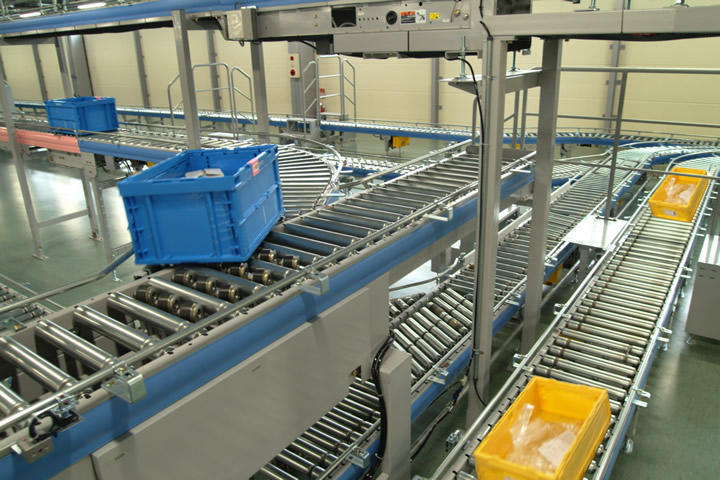
- Idlers & Rollers: Support and guide the belt while minimizing friction.
- Pulleys: Drive, tail, and tension pulleys control belt movement and alignment.
- Cleats, Sidewalls & Skirts: Guide products and prevent spillage on inclines or declines.
- Fasteners & Splicing Systems: Connect belt ends securely for continuous operation.
Factors Influencing Conveyor Belt Construction Choices
When deciding on materials and design, several key factors come into play:
- Type of Load
- Fragile products (glass bottles, electronics) require smooth, cushioned belts.
- Heavy loads demand reinforced rubber or metal belts.
- Operating Environment
- Wet or corrosive conditions call for stainless steel or plastic.
- High temperatures require heat-resistant belts.
- Industry Standards & Regulations
- Food-grade belts must comply with FDA/EFSA hygiene regulations.
- Mining conveyors often require flame-retardant belts for safety.
- Speed & Throughput Requirements
- High-speed conveyors need durable belts that can resist stretching and tearing.
Innovations in Conveyor Belt Construction (2025 and Beyond)
As industries push for more efficiency and sustainability, construction methods have evolved:
- Eco-Friendly Materials
- Belts made from recyclable plastics or sustainably sourced rubber.
- Noise-reduction designs that improve workplace conditions.
- Smart Conveyor Belts
- Embedded sensors for real-time monitoring of tension, wear, and temperature.
- Predictive maintenance alerts to prevent costly breakdowns.
- Hybrid Structures
- Belts combine multiple materials (e.g., rubber with steel reinforcement) for specific applications.
- Improved Splicing Techniques
- Faster and stronger splicing methods reduce downtime and improve reliability.
Applications Across Industries
- Food & Beverage
- Hygienic PU and modular plastic belts with easy wash-down designs.
- Mining & Heavy Industry
- Reinforced rubber belts capable of transporting bulk materials over long distances.
- Logistics & Warehousing
- Lightweight PVC belts designed for high-speed package handling.
- Pharmaceuticals
- Anti-static and contamination-resistant belts for cleanroom environments.
Conclusion
Understanding conveyor belt construction is essential for businesses aiming to optimise operations, ensure safety, and reduce long-term costs. From material selection to structural design and innovative upgrades, the construction of a conveyor belt directly influences performance and reliability.
At Okura Singapore, we engineer conveyor solutions with precision—matching the right materials and structures to each industry’s unique requirements. Whether you’re in logistics, manufacturing, or food processing, our conveyor systems are built to last.
Contact us today to learn how our conveyor belt solutions can strengthen your material handling operations.