Introduction
Process instrumentation plays a pivotal role in the development and operation of automated industrial systems. From monitoring pressure and temperature to measuring flow rates and chemical composition, instrumentation is the sensory backbone of automation. Without accurate data collection and real-time feedback, automated systems would be prone to errors, inefficiencies, and even catastrophic failures.
As the industrial automation and instrumentation landscape continues to evolve—especially with the rise of smart factories, IoT, and predictive maintenance—precise and intelligent instrumentation is more critical than ever. This article explores how process instrumentation supports industrial automation, its core components, and the benefits it brings to complex manufacturing and processing environments.
What Is Process Instrumentation in Industrial Automation?
Process instrumentation refers to the set of tools and devices used to measure, monitor, and control variables in industrial systems. These variables can include:
- Temperature
- Pressure
- Flow rate
- Level (e.g., liquids in a tank)
- Humidity
- pH and chemical concentrations
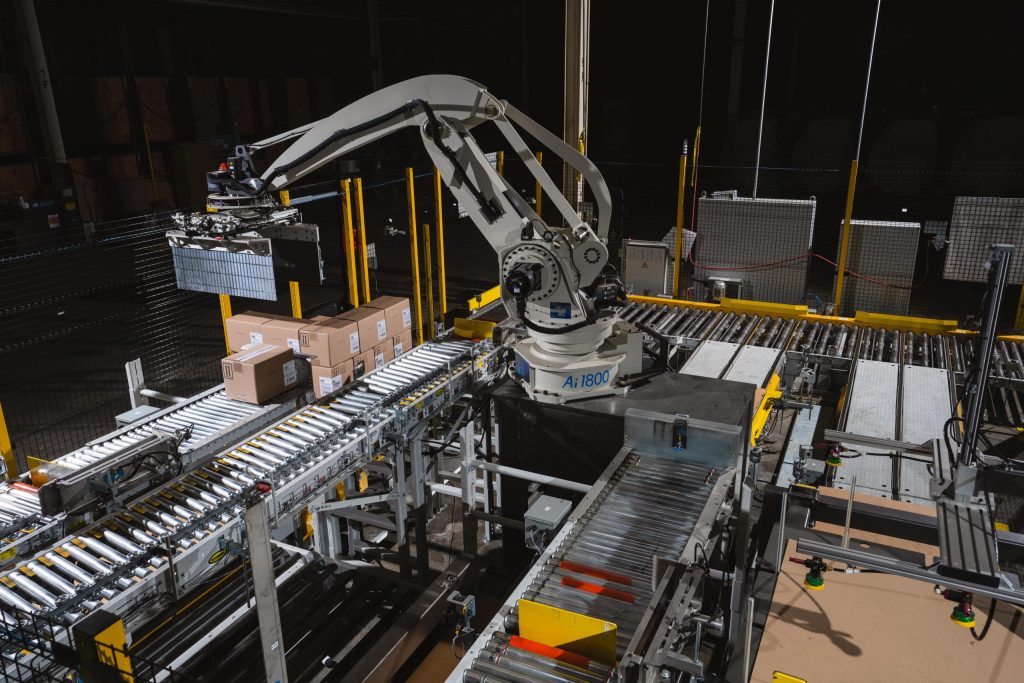
In industrial automation, these readings are typically transmitted to a central controller—like a PLC (Programmable Logic Controller) or DCS (Distributed Control System)—that interprets the data and triggers actions such as turning on a pump, adjusting a valve, or activating an alarm.
Core Components of Industrial Instrumentation
- Sensors and Transducers
These are the primary data-gathering components. Sensors detect physical parameters (e.g., heat, flow, or pressure) and convert them into electrical signals. Transducers further refine or condition these signals for interpretation by controllers. - Transmitters
Transmitters amplify and send the sensor data to control systems. They help standardise output signals (e.g., 4–20 mA or digital signals via HART or Modbus protocols) for consistency and integration. - Controllers
Controllers analyse incoming data and make real-time decisions based on pre-programmed logic. In advanced systems, these include PLCs, SCADA platforms, or DCS units. - Actuators and Final Control Elements
These components perform the physical actions dictated by the controller, such as opening a valve, adjusting motor speed, or changing a heating element’s output. - Human-Machine Interfaces (HMIs)
HMIs allow operators to visualise data and interact with the automated system. They present real-time analytics and alerts, enabling quick manual interventions if needed.
Benefits of Integrating Instrumentation with Automation
1. Improved Process Accuracy and Consistency
Automated systems rely on real-time measurements to maintain stable operating conditions. For instance, in food processing, consistent temperature and pressure levels are crucial for product quality. Accurate instrumentation ensures these parameters are maintained within strict tolerances.
2. Enhanced Safety and Compliance
Instrumentation enables automated safety systems that can detect anomalies and take corrective action before a hazard escalates. This is particularly important in high-risk industries like chemicals, oil and gas, or pharmaceuticals, where regulatory compliance is tightly monitored.
3. Operational Efficiency and Cost Reduction
By providing accurate data, process instrumentation helps optimise resource usage—such as fuel, water, or raw materials. Reducing waste and energy consumption leads to significant operational cost savings over time.
4. Predictive Maintenance and Reduced Downtime
Modern instrumentation systems often include diagnostic features that monitor their own health or detect early signs of equipment failure. This data supports predictive maintenance strategies, allowing for scheduled interventions rather than costly reactive repairs.
5. Remote Monitoring and Control
With the rise of Industrial IoT (IIoT), many instrumentation devices are now IP-enabled, allowing for cloud-based data aggregation and remote control. This is particularly beneficial for dispersed sites, such as water treatment facilities or offshore rigs.
Applications Across Industries
- Manufacturing: Monitoring temperature, vibration, and flow in machine operations to prevent breakdowns and ensure product quality.
- Oil & Gas: Pressure and chemical monitoring in pipelines and refineries to prevent leaks and ensure compliance.
- Water Treatment: Level, turbidity, and pH measurement for effective and safe water processing.
- Pharmaceuticals: Highly regulated environments where precision is required in temperature, humidity, and contamination control.
Conclusion
In today’s data-driven industrial environments, process instrumentation is not just a technical necessity—it’s a competitive advantage. By enabling precise control, safety monitoring, and process optimisation, instrumentation serves as the foundation upon which modern industrial automation is built.
Companies looking to future-proof their operations must invest in robust instrumentation systems that integrate seamlessly with automation platforms. With the right strategy, businesses can unlock new levels of efficiency, safety, and insight across their entire operation. Okura Singapore is committed to helping clients harness the full potential of industrial automation and instrumentation for long-term success.