Introduction
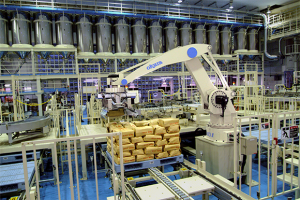
Conveyor belt systems are foundational to the efficiency of industrial operations, particularly in sectors like manufacturing, warehousing, logistics, and mining. These systems streamline material handling by providing consistent and reliable transport of goods and raw materials. However, to maintain optimal performance and prevent costly downtimes, proper tensioning and tracking are essential. These two fundamental elements of the conveyor belt mechanism ensure the belt operates smoothly, safely, and with minimal wear.
Understanding Conveyor Belt Mechanisms
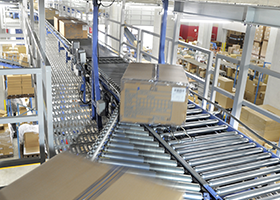
The conveyor belt mechanism consists of several key components: the belt itself, drive and tail pulleys, rollers (idlers), and a tensioning system. These elements work together to enable continuous motion. Friction between the belt and pulleys transmits motion, while rollers provide support and reduce resistance. Misalignment or incorrect tension can disrupt this balance, leading to performance issues and premature system failure.
What Is Belt Tensioning?
Tensioning refers to the process of applying the correct amount of force to the belt to maintain grip on the drive pulley and ensure smooth movement. Proper tension prevents belt slippage, ensures even load distribution, and extends the lifespan of the belt.
There are three main tensioning methods:
- Screw Take-Up: Uses threaded adjustment screws to manually alter the pulley position and increase tension.
- Gravity Take-Up: Utilizes a weighted pulley system that automatically maintains constant tension.
- Hydraulic or Pneumatic Systems: Offer real-time automatic tension adjustments, ideal for dynamic or heavy-duty applications.
Incorrect tensioning can result in:
- Slippage and reduced drive efficiency
- Belt misalignment
- Excessive wear or breakage
- Increased energy consumption
What Is Belt Tracking?
Tracking involves guiding the belt so that it remains centered on the pulleys throughout its run. A belt that drifts off track can lead to product spillage, edge fraying, and damage to the conveyor structure.
Common tracking techniques include:
- Manual Adjustments: Altering the angle of idlers or end pulleys to realign the belt
- Crowned Pulleys: Shaped so the belt naturally centers during operation
- Guide Rollers: Mounted on the belt edges to correct drift
- Sensor-Based Systems: Automated tracking adjustments using feedback from alignment sensors
Causes of poor tracking include:
- Uneven loading
- Worn or misaligned rollers
- Accumulated debris
- Inconsistent belt tension
Integrated Tensioning and Tracking Systems
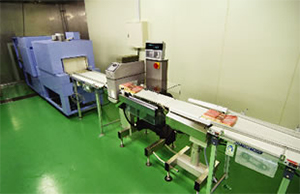
Modern conveyor belt systems often integrate tensioning and tracking mechanisms for optimal performance. These systems may employ IoT sensors to monitor belt conditions in real time and make predictive adjustments. For instance, intelligent tensioners can compensate for belt elongation due to temperature or load changes, while laser-guided tracking systems can adjust idler positions automatically.
This integration ensures:
- Reduced maintenance frequency
- Extended belt lifespan
- Improved safety and throughput
Best Practices for Maintenance and Troubleshooting
To maintain an efficient conveyor belt mechanism, regular inspections and proactive maintenance are key.
- Inspect Belt Alignment and Tension Weekly
- Clean Rollers and Pulleys Frequently to prevent material build-up
- Check for Wear on edges, fasteners, and splices
- Keep Records of adjustments to monitor recurring issues
Additionally, investing in training for in-house technicians can improve on-the-spot troubleshooting and reduce dependency on external service teams.
Conclusion
Tensioning and tracking are not just maintenance tasks—they are critical components of conveyor belt design and operation. When executed correctly, they reduce industrial automation downtime, increase operational efficiency, and extend the life of conveyor systems. Okura Singapore integrates advanced tensioning and tracking technologies into its custom conveyor solutions, ensuring clients benefit from reliable, low-maintenance systems built to perform in demanding industrial environments.