Introduction
As we’ve discussed, industrial automation has become a cornerstone of modern manufacturing and logistics operations. By replacing manual processes with automated systems, companies can enhance efficiency, improve safety, and reduce operational costs. However, implementing industrial automation is not without its challenges.
Many organisations face hurdles such as high initial costs, resistance to change, and integration difficulties. Understanding these challenges and how to overcome them is key to successful automation implementation and long-term operational improvement.
What Is Industrial Automation?
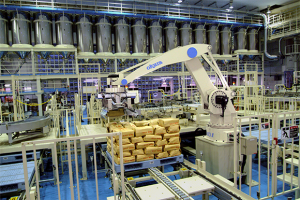
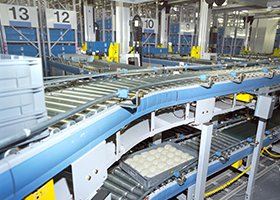
Industrial automation refers to the use of control systems, such as computers, robotics, and information technologies, to handle different industrial processes and machinery. This technology is commonly used in industries such as automotive, food and beverage, logistics, pharmaceuticals, and electronics manufacturing. Automation solutions can range from simple programmable logic controllers (PLCs) to fully integrated systems that leverage artificial intelligence and the Internet of Things (IoT).
The goal of industrial automation is to increase productivity, enhance quality, and reduce human error. While the benefits are significant, the transition from manual to automated systems can be complex and resource-intensive.
Common Challenges in Implementing Industrial Automation
- High Initial Investment One of the primary barriers to adopting industrial automation is the substantial upfront cost. Purchasing automation equipment, redesigning processes, and training staff can require significant financial resources. This is especially challenging for small to medium-sized enterprises (SMEs) that may lack the capital for large-scale investments.
- Resistance to Change Employees may be hesitant or resistant to adopting new technologies, particularly if they fear job displacement or lack familiarity with automated systems. This cultural resistance can hinder the smooth implementation of automation solutions.
- Integration with Existing Systems Many companies operate with legacy systems that may not be compatible with modern automation technologies. Integrating new automation solutions with outdated infrastructure often requires customised engineering, which can be time-consuming and expensive.
- Lack of Skilled Workforce Implementing and maintaining automated systems requires a workforce with specialised skills in areas such as robotics, programming, and data analytics. Finding and retaining such talent can be difficult, particularly in regions with a limited pool of qualified professionals.
- Downtime During Transition Shifting from manual to automated processes often involves temporary shutdowns or slowdowns in production. This downtime can disrupt operations and lead to revenue loss if not properly managed.
Strategies to Overcome Automation Challenges
- Phased Implementation Instead of a full-scale overhaul, companies can adopt a phased approach to automation. Starting with one area or process allows for easier change management and gradual return on investment.
- Employee Training and Engagement Involving employees early in the automation process and providing them with proper training can alleviate fears and foster a culture of innovation. When workers understand how automation can make their jobs safer and more efficient, they are more likely to support its adoption.
- Cost-Benefit Analysis Conducting a thorough cost-benefit analysis helps organisations understand the long-term value of automation investments. While initial costs may be high, the return in terms of efficiency, quality, and reduced labour costs can justify the expenditure.
- Collaboration with Experienced Partners Working with experienced automation providers like Okura Singapore ensures that solutions are tailored to the company’s specific needs. Expert partners can also assist with system integration, staff training, and ongoing maintenance.
- Investing in Scalable Solutions Choosing scalable automation systems allows companies to start small and expand as needed. This flexibility reduces risk and makes it easier to adapt to future technological advancements.
Role of Expert Automation Providers
Expert providers play a critical role in overcoming the challenges of automation implementation. Okura Singapore, for instance, offers end-to-end automation solutions—from consulting and system design to installation and after-sales support. Their experience in sectors such as logistics, manufacturing, and food and beverage enables them to craft solutions that address unique operational needs.
Partnering with a trusted provider ensures that automation is implemented smoothly and efficiently, minimising disruption and maximising value.
Conclusion
While the path to industrial automation comes with its share of challenges, these obstacles are not insurmountable. By understanding the common barriers and leveraging strategic approaches, companies can successfully transition to automated operations. From phased implementation and employee training to expert consultation and scalable solutions, the keys to successful automation are within reach.
As industries continue to evolve, embracing automation is no longer optional but essential. Companies looking to stay competitive must act decisively and intelligently. Contact Okura Singapore today to explore how tailored automation solutions can transform your operations.